Flatweaves in Focus: All About Kilim Rugs

Few textiles feel as easy-going - and as quietly transformative - as a kilim rug.
Flatwoven and pileless, kilim rugs have been part of everyday life across Central Asia for centuries. Today, they bring that same relaxed, lived-in character into the home - not only as rugs underfoot, but also as cushions and furniture that add colour, texture and a sense of ease to a space.
At Rugs of Petworth, we source characterful kilim rugs from traditional weaving regions in Turkey and Afghanistan, selecting each one for its balance, colour and individuality. Alongside these, our collection includes kilim cushions and one-of-a-kind kilim furniture - both ready-made and bespoke - allowing these textiles to be used in more flexible, creative ways throughout the home.
What is a kilim rug?
The word kilim comes from the Turkish term for a flat-woven textile.
Unlike hand-knotted rugs, kilim rugs are made by interlacing yarns through the loom rather than tying individual knots. There is no pile, no raised surface - just the structure itself forming the pattern.
This gives kilim rugs their distinctive character: lightweight, flexible, often reversible, with a clear, graphic quality that feels both simple and full of depth.
If you’ve ever wondered how flatweaves differ from knotted rugs, we’ve explored this in more detail in our blog, Hand-knotted vs hand-woven rugs: how to tell the difference (and choose the right one.

How kilim rugs are made
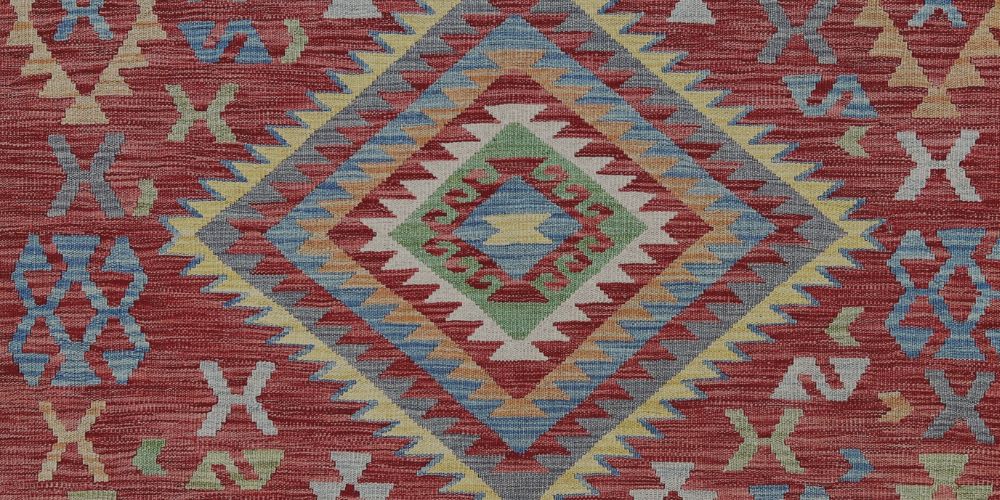
Kilim rugs are created by interlocking coloured weft yarns through a stable warp, building pattern and structure at the same time. The classic slit-weave technique allows for crisp, geometric designs and strong, confident lines.
Because there’s no pile:
- the rug is lighter and more flexible
- it can be easily moved or layered
- it often feels more informal and relaxed in a space
You can usually recognise a kilim rug at a glance - the pattern is visible on both sides, the surface is flat rather than plush, and the rug has a natural drape that allows it to sit easily in different settings.
Materials that suit real life
Traditional kilim rugs are woven in wool, and for good reason.
Wool is:
- naturally durable
- resistant to everyday dirt
- well suited to busy, lived-in spaces
The flat surface also makes kilim rugs especially practical:
- chairs glide easily over them
- they sit neatly under doors
- they’re easy to move and reposition
It’s this combination of practicality and personality that makes them such enduring pieces.
Where kilim rugs come from
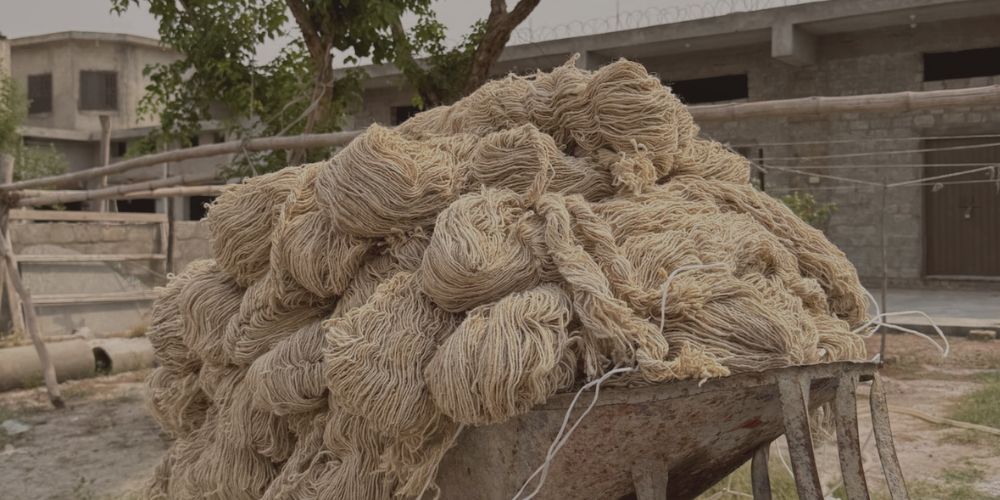
Our kilim rug collection is sourced from the rustic weaving areas of Turkey and Afghanistan, where flatweave traditions have been passed down through generations.
Within this, you’ll also find distinctive pieces such as Kundoz (Kunduz) kilim rugs, known for their strong geometric designs and balanced compositions. Like all our flatweaves, these are handmade using traditional techniques, with each piece chosen for its character and individuality.
These are regions where weaving is still done by hand, patterns reflect cultural heritage, and natural dye variations bring depth and individuality to every piece.

Where kilim rugs work best at home
One of the real strengths of a kilim rug is its versatility.
Its flat, lightweight structure makes it especially useful in spaces where practicality matters just as much as appearance.
Dining areas
Chairs move easily across the surface, with no pile to catch or wear unevenly.
Kitchens and garden rooms
A kilim rug adds warmth and colour without feeling too heavy for more functional spaces.
Hallways and landings
Runners bring rhythm and pattern while standing up well to everyday foot traffic.
Layering
Kilim rugs sit beautifully over larger natural fibre rugs, adding softness and pattern without bulk.
They’re also particularly helpful where:
- doors need clearance
- flexibility matters
- a lighter, more relaxed feel is preferred
Kilim rugs sit beautifully over larger natural fibre rugs, adding softness and pattern without bulk.

Kilim cushions and kilim furniture
Kilim textiles extend far beyond the floor.
Our kilim cushions are made from handwoven wool - some woven as cushions, others cut from vintage kilim rugs. Each one carries the same variation and character as the rugs themselves.
Our kilim furniture includes one-of-a-kind ready-made pieces, available to view in-store and online, as well as a bespoke service. If you’re looking for something more specific, you can choose a kilim rug from our collection and have it made into a custom piece - whether that’s a bench, ottoman, coffee table or additional seating.
These are versatile, colourful pieces that bring a relaxed, informal feel to a room, while adding both function and character.

Styling a kilim rug
A few simple approaches help everything fall into place:
- Start with the rug and build your palette from it
- Use two or three quieter colours rather than the boldest tones
- Balance strong geometry with softer furniture shapes
- Let some floor show around the edges to frame the piece
Flatweaves naturally bring a more graphic, informal feel to a space - bold geometrics, clean lines, and a sense of ease that works particularly well in relaxed interiors.

Care made simple
Kilim rugs are refreshingly straightforward to care for.
- Vacuum regularly (brush off)
- Rotate occasionally to balance wear
- Blot spills quickly rather than rubbing
- Occasionally vacuum the reverse to release trapped dust
For anything more stubborn, a professional cleaner is always the safest option.
Provenance matters
Every kilim rug we source is:
- genuinely handmade
- clearly described
- responsibly sourced
We work directly with artisans across Turkey and Afghanistan, building long-standing relationships that support both quality and continuity of craft.
Through our partnership with Label STEP, we also support fair working conditions within the handmade rug industry - helping to ensure that traditional skills are respected, and that the people behind each piece are treated fairly. You can read more about this in our blog, Rugs of Petworth Partners with STEP: Ethical and Fair-Trade Handmade Rugs.
It’s not just about how a rug looks in your home, but the story and integrity behind it.
Find your kilim rug
From one-of-a-kind kilim rugs and runners to kilim cushions and kilim furniture - both ready-made and bespoke - our collection brings together pieces chosen for both character and practicality.
Explore our range online or visit our Petworth showroom - there’s always a new pattern, a different colour story, and a piece that feels just right.


Written by Alex Rees